.png)


Temporary Fencing Planning Checklist for Job Sites and Events

Temporary Fencing Planning Checklist for Job Sites and Events
Temporary fencing plays an important role in keeping job sites and event spaces safe, secure, and organized. Proper planning helps prevent safety issues, improves site flow, and reduces the risk of unauthorized access.
Using a checklist approach makes it easier to ensure nothing is overlooked before installation begins.
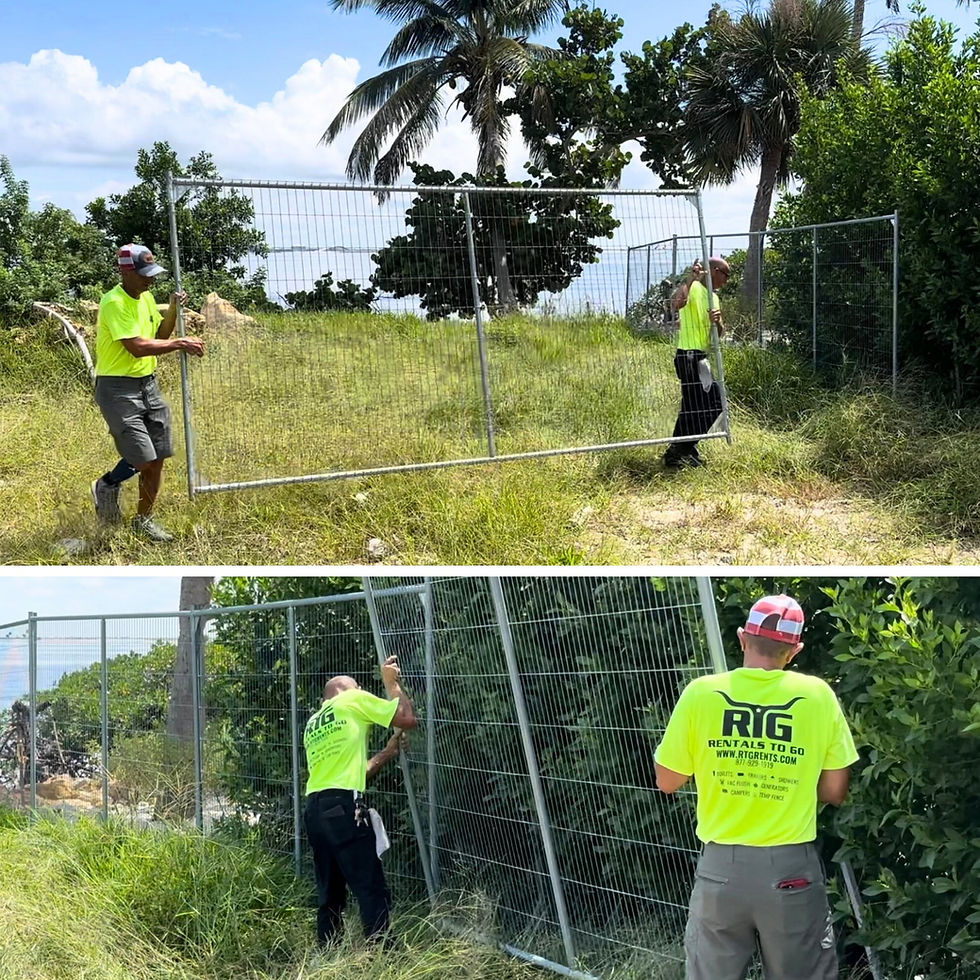
Determine the Purpose of the Fencing
Before choosing fencing, it’s important to identify what the fencing needs to accomplish. Temporary fencing may be used to:
• Secure a construction site
• Control crowd flow at an event
• Restrict access to hazardous areas
• Protect equipment and materials
• Create designated entry and exit points
Understanding the purpose helps determine the type and amount of fencing needed.
Measure the Area That Needs to Be Secured
Accurate measurements are essential for proper planning. Be sure to:
• Measure the full perimeter that needs fencing
• Identify any gaps, corners, or access points
• Account for gates, entrances, and exits
This helps ensure enough fencing is ordered and avoids last-minute changes.
Plan Access Points and Traffic Flow
Every site or event needs controlled access. When planning fencing layout, consider:
• Where people or vehicles will enter and exit
• How foot traffic should be directed
• Where deliveries or service access is required
• How emergency access will be maintained
Good planning improves safety and prevents congestion or confusion.
Consider Ground Conditions and Stability
The surface where fencing will be installed matters. Before installation, consider:
• Whether the ground is level and stable
• If additional weights or supports are needed
• How weather conditions might affect stability
Proper preparation helps prevent fencing from shifting or falling over.
Account for Safety and Compliance Needs
Some projects or events may have specific safety or regulatory requirements. Planning should include:
• Identifying restricted or hazardous areas
• Ensuring clear separation between work zones and public areas
• Meeting any local safety or site requirements
Fencing should support overall site safety, not just security.
Plan for Changes During the Project or Event
Sites and events often change over time. A good plan should allow for:
• Adjustments to fencing layout
• Expansion or reduction of secured areas
• Changes in access points or traffic flow
Flexibility helps keep the site organized as conditions change.
Temporary Fencing Solutions
Proper planning makes temporary fencing more effective and easier to manage. A well-organized fencing layout helps improve safety, security, and overall site operations.
Contact us to discuss your project and see how proper fencing planning can help keep your site running smoothly.


